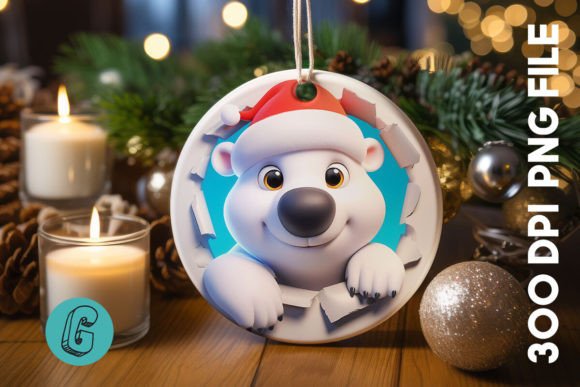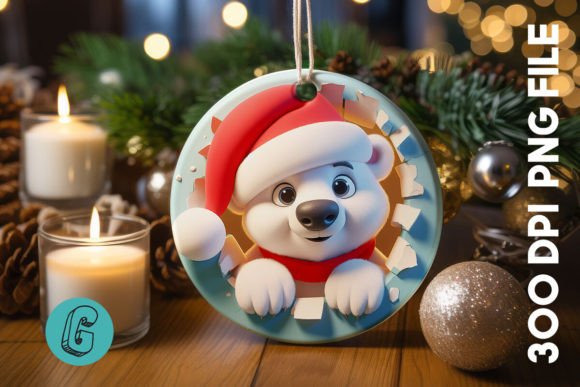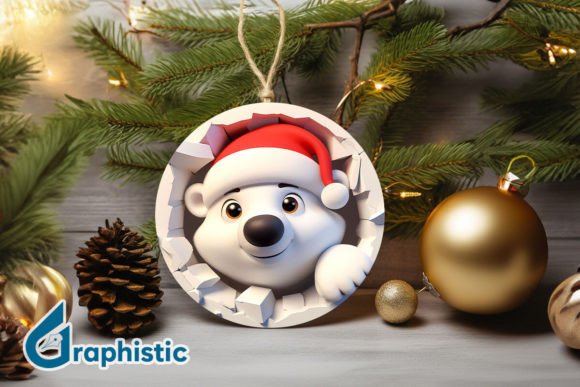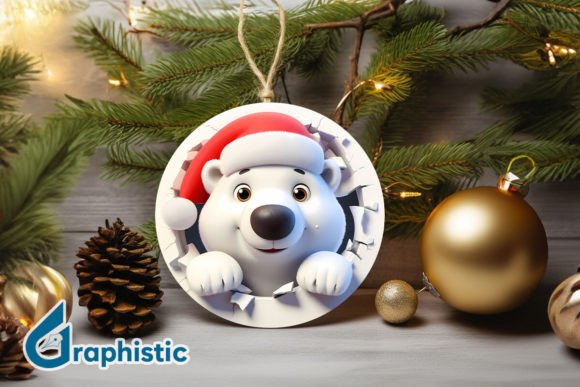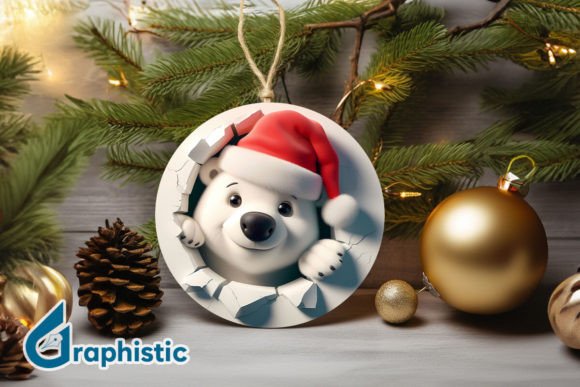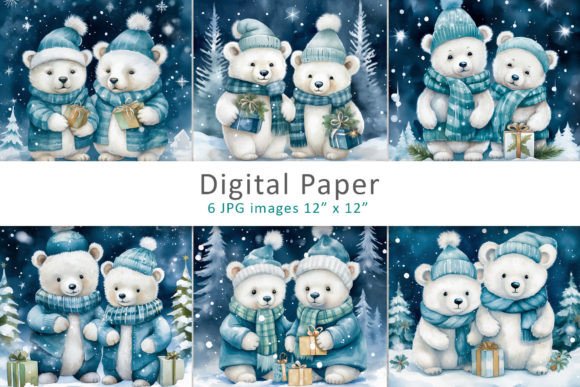
Christmas Bear Digital Papers Background for Illustrations
I recently received a request from a local boutique owner to revamp her holiday product line. She sells handmade soaps and artisanal candles, but her current packaging feels a bit generic in a crowded market. During our initial review of available design assets, we landed on the Christmas Bear Digital Papers Background. As an experienced brand designer, my first job is not just to find a pretty image, but to evaluate how a graphic design asset will function within a real-world commercial environment. This review explores exactly how this specific set of illustrations can elevate small business branding, from product labels to social media campaigns.
First Impressions: Mood and Brand Personality
When I first opened the files for Christmas Bear Digital Papers Background, the immediate feeling was one of warmth and approachability. The illustrations do not scream "corporate holiday"; instead, they whisper "handmade" and "heartfelt." The mood is undeniably festive yet soft, suggesting a brand personality that is friendly, organic, and perhaps a touch rustic. For a local business selling tangible goods like skincare or baked treats, this visual tone is gold. It creates an emotional connection before the customer even reads the ingredients list.
The style leans towards the playful and decorative without being chaotic. It fits perfectly with brands that want to appear premium but accessible. If your business is about comfort, tradition, and personal care, these illustrations signal that you care about the details. However, if you are running a high-end luxury minimalist brand where silence speaks louder than decoration, this asset might be too busy. But for the vast majority of creative entrepreneurs and boutique owners, the vibe is spot-on.
Real-World Application in Packaging and Labels
In the context of a real project, such as rebranding a candle business, the utility of this asset becomes clear. Imagine wrapping a jar of soy wax with a label featuring a subtle pattern from this collection. The visual hierarchy shifts immediately; the background supports the text rather than competing with it. You can use these backgrounds for product labels, hang tags, and thank-you cards included in the box. They act as a cohesive thread that ties the physical product to the digital experience.
For food businesses, think of gift boxes filled with cookies or seasonal jams. A simple white box can look cheap, but adding a strip of this Christmas Bear Digital Papers Background as a decorative band instantly elevates the shelf appeal. It transforms a standard commodity into a curated gift. Similarly, for sticker designs on water bottles or cosmetic jars, these illustrations provide the necessary character that makes a product stand out against competitors who rely on plain colors.
Expanding Beyond Physical Goods
The versatility of these design assets extends well beyond the physical shelf. In the realm of marketing visuals, they are invaluable. Social media managers can use them as overlays for Instagram stories or as backgrounds for promotional ads during the holiday season. When creating a flyer or a poster for a local craft fair, these illustrations help establish a consistent brand identity across all touchpoints.
I often advise clients to create a "visual library" using their primary assets. By incorporating elements from Christmas Bear Digital Papers Background into website banners, email headers, and printable inserts, you ensure that your brand feels polished and professional. This consistency builds customer trust. When a shopper sees the same charming bear motif on the product, the receipt, and the Facebook page, they subconsciously recognize the quality of the business.
Strategic Placement: Where It Shines and Where to Pause
While this asset is powerful, a good brand designer knows where to apply restraint. These illustrations work best as hero graphics, decorative accents, or background textures for smaller elements. They are perfect for seasonal packaging, boutique visuals, and editorial design layouts where you need to add texture without overwhelming the content.
However, caution is required in specific scenarios. If you are designing very small labels where legibility is paramount, a complex background might make the text unreadable. Avoid placing this asset directly behind critical legal information, ingredient lists, or barcodes. Crowded product packaging already struggles with clarity; adding a busy illustration can turn a compliant package into a confusing mess. Furthermore, for formal corporate branding or luxury minimalist brands that rely on negative space, this festive theme may clash with the desired aesthetic of understated elegance.
It is also crucial to consider contrast. If your brand colors are light pastels, ensure the background does not wash out the text. Test the asset on actual mockups to see how it interacts with your specific typography. A strong visual hierarchy depends on the ability of the eye to scan information quickly, and sometimes a heavy background can disrupt that flow.
Practical Designer Notes for Implementation
Before committing to using Christmas Bear Digital Papers Background for a client's commercial design project, there are technical steps every professional must take. First, always test the asset on real packaging mockups. What looks good on a screen can behave differently when printed on textured kraft paper or glossy cardstock. Check the print quality at 300 DPI to ensure no pixelation occurs on close inspection.
You should also preview the design in black and white. Sometimes color distractions hide structural issues in the layout. Additionally, inspect the file format. If you have access to SVG design versions, check for editability; this allows you to tweak colors to match your exact brand palette. If working with PNG design files, verify the transparency edges are clean. A jagged edge on a transparent background can ruin the illusion of a seamless label.
Typography pairing is another critical factor. I recommend testing these illustrations alongside serif fonts for a classic look, sans serif fonts for modernity, and script or handwritten fonts for a personal touch. See how the letterforms sit against the bear motifs. Does the font feel lost? Or does it pop? Finally, confirm the commercial license. Ensure you have the rights to use these illustrations for physical product sales, not just digital display. Using unlicensed assets in a commercial venture can lead to serious legal issues.
Final Thoughts on Brand Elevation
In conclusion, Christmas Bear Digital Papers Background is more than just a cute image; it is a strategic tool for small business branding. When used correctly, it strengthens the first impression, improves product recognition, and fosters a deeper emotional connection with customers. Whether you are a local bakery, a handmade soap maker, or a marketer looking to spice up your holiday campaign, these illustrations offer a versatile solution.
By integrating these design assets thoughtfully into your logo design, packaging design, and social media graphics, you create a cohesive narrative that resonates with your audience. Remember, professional branding is about balance. Use the festive charm of the bears to enhance your message, but always keep the user experience and readability at the forefront. With careful planning and attention to detail, this asset can transform a simple local business into a memorable brand experience.