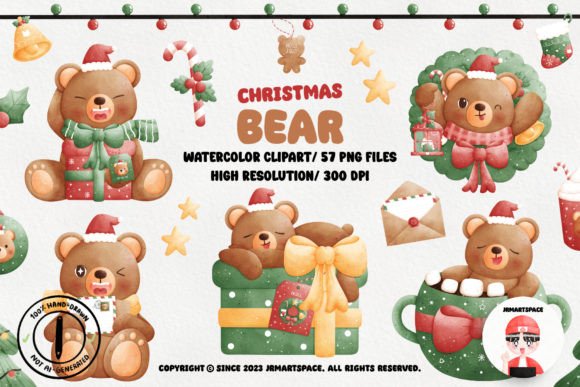
Christmas Bear Watercolor Clipart for Modern Illustrations
In the fast-paced world of digital publishing, a single graphic can determine whether a reader stops scrolling or keeps moving. As someone who has spent years designing blog layouts and managing editorial content for various niches, I have learned that visual assets must do more than just look pretty; they must build trust and guide the user experience. Recently, I evaluated Christmas Bear Watercolor Clipart to see if it could integrate seamlessly into real-world content workflows. The verdict is that this asset offers a distinct editorial mood that elevates seasonal content from generic to memorable.
The First Impression: Editorial Mood and Reader Perception
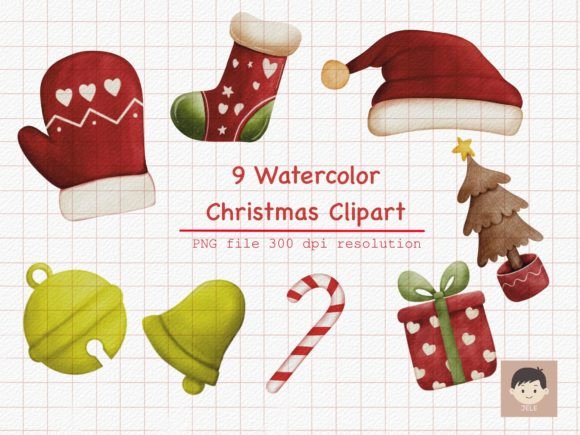
When you first open the file for Christmas Bear Watercolor Clipart, the immediate feeling is one of warmth and approachability. Unlike rigid vector graphics that often feel corporate or sterile, watercolor illustrations bring a soft, organic texture that resonates deeply with human emotion. This design style naturally supports lifestyle blogs, family-oriented content, and creative small business branding. It creates an atmosphere that feels festive yet sophisticated, avoiding the tacky or overly cartoonish look that can sometimes undermine professional credibility.
This asset works best when you want to convey a sense of handmade care. For publishers in the parenting, education, or home decor niches, these Illustrations signal that the content inside is curated with attention to detail. The soft edges and gentle color palette suggest a modern design aesthetic that is clean but not cold. It strikes a balance between playful and polished, making it ideal for websites that need to appear friendly without sacrificing authority. When used correctly, this clipart helps establish a strong visual identity that readers will instantly recognize as part of your brand ecosystem.
Real Publishing Workflows: Where the Asset Shines
I tested Christmas Bear Watercolor Clipart across several common publishing scenarios to gauge its versatility. The results were impressive, particularly in areas where visual hierarchy and click-through potential are critical. One of the strongest use cases is for Pinterest pins. Because Pinterest is a visual search engine, the watercolor texture stands out against the platform's typically sharp, high-contrast imagery. A pin featuring this bear illustration can significantly boost engagement by offering a softer, more inviting entry point to your article.
Beyond social media, this graphic design asset is perfect for creating downloadable resources. Imagine using it on the cover of a holiday gift guide, a printable worksheet for educators, or a lead magnet like a "Winter Wellness Checklist." In these contexts, the clipart adds value and perceived quality to the digital product. It transforms a simple PDF into a branded digital guide that users are eager to download. Furthermore, integrating this asset into newsletter headers can increase open rates by breaking up text-heavy layouts with a touch of seasonal charm.
I also found it effective for category thumbnails on a main blog page. When a reader scans your site, they look for visual cues to navigate. Using consistent blog graphics featuring the Christmas Bear helps create a cohesive navigation system. It signals to the visitor that the content within that category is related, festive, and professionally presented. Whether you are building a media kit for sponsors or designing a Canva template for your team, this asset provides a reliable foundation for commercial design projects.
Boosting Performance Through Visual Strategy
The right visual asset does more than decorate; it drives performance. By incorporating Christmas Bear Watercolor Clipart into your content marketing strategy, you improve the overall readability and flow of your web pages. Stronger first impressions lead to longer time-on-page metrics because the content feels more inviting. When the visual hierarchy is clear—using the illustration to anchor headlines or break up sections—readers are more likely to engage with the text rather than bounce immediately.
Consistency is key to building reader trust. If your website features a mix of styles, it can feel disjointed. Using this specific set of design assets ensures that your holiday content aligns with your existing brand identity while still celebrating the season. This consistency reinforces your brand identity, making your site look like a destination rather than a collection of random posts. For affiliate marketers, a polished look translates directly to higher conversion rates, as visitors are more likely to trust recommendations from a site that appears professional and well-maintained.
Strategic Placement and Design Considerations
While this asset is versatile, it is not a one-size-fits-all solution. There are specific environments where Christmas Bear Watercolor Clipart excels and others where it requires careful handling. For hero images and large featured graphics, the watercolor details shine beautifully. These larger formats allow the texture and color gradients to be appreciated fully, setting the tone for the entire article.
However, caution is advised when scaling down. On small mobile thumbnails, complex watercolor textures can sometimes blur or lose definition. If the image becomes too small, the artistic nuance might disappear, leaving a muddy spot of color. Therefore, it is crucial to test how the graphic looks at thumbnail size before committing to it for a category index. Additionally, if your website operates in a serious professional niche, such as legal services or financial consulting, this playful illustration might clash with the required tone of voice. In those cases, it should be used sparingly or avoided entirely to maintain a minimal visual system.
Contrast is another vital factor. Placing this light, airy clipart on a busy background or a low-contrast surface can make it difficult to see. To ensure maximum impact, pair the illustration with ample white space or solid, complementary colors. This approach preserves the integrity of the editorial design and ensures the graphic remains a focal point rather than a distraction.
Practical Publisher Notes for Implementation
To get the most out of Christmas Bear Watercolor Clipart, I recommend following a rigorous testing protocol. Always preview the asset inside a real blog layout rather than just looking at the raw file. Check how it interacts with different headline fonts. Does it pair well with a serif font for a classic look, or does it pop better against a sans-serif font for a modern feel? Try placing it beside script or handwritten fonts to see if it maintains legibility and aesthetic balance.
File size optimization is non-negotiable for web performance. Large watercolor files can slow down your site, negatively affecting SEO rankings. Compress your images properly before uploading them to your CMS. Furthermore, verify your commercial license thoroughly. Ensure that the usage rights cover monetized websites, affiliate pages, and any paid content products you plan to distribute. A valid commercial license protects your business and allows you to scale your creative design efforts without legal concerns.
Finally, consider the black-and-white version of the asset. Converting the image to grayscale can help you check the contrast and composition independently of color. This step is essential for ensuring accessibility and readability for all users. By treating Christmas Bear Watercolor Clipart as a strategic tool rather than just a decoration, you can elevate your digital presence. Whether you are crafting a social media post, a website header, or a downloadable resource, this asset provides the polish needed to compete in today's crowded digital marketplace.