Christmas Magic: A Designer's Real-World Embroidery Review
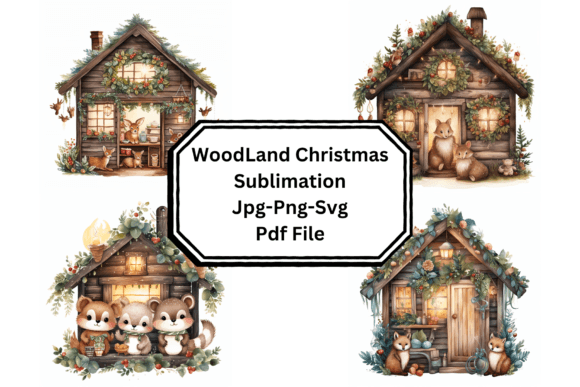
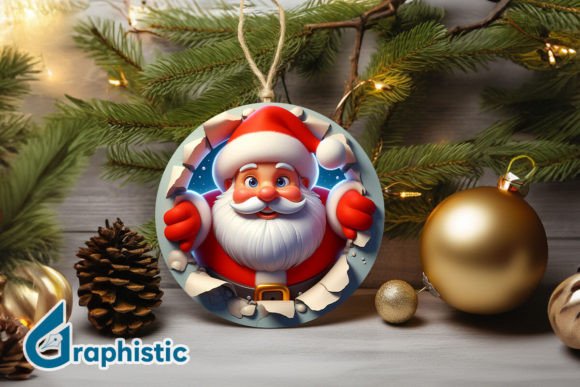
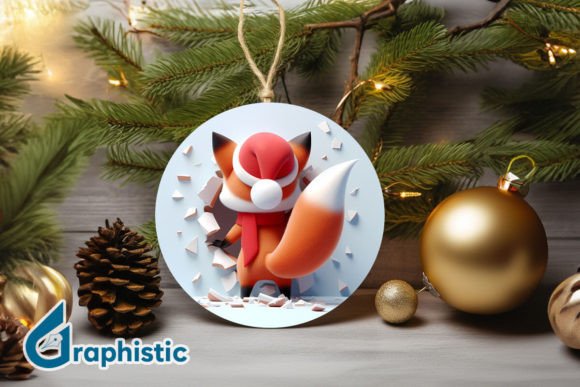
When I first opened the Christmas Magic file, my initial reaction wasn't about stitch counts or technical specifications. It was about the mood. As a designer who spends hours evaluating digital assets for both personal projects and client work, I look for that spark of personality before I even check the machine settings. This design from the Illustrations category immediately felt festive without being cliché. It has a visual weight that suggests it belongs on something tangible—a cozy holiday gift, a boutique item, or a personalized piece of custom apparel.
I have spent years testing embroidery files on everything from stretchy cotton tees to thick wool blends, and I know that a pretty image on a screen often falls flat once stitched. That is why I decided to put Christmas Magic through its paces in a real-world scenario. My goal was to see if this design could hold up as a commercial asset for an Etsy seller or a craft fair booth, or if it was better suited for a quick hobbyist project.
The First Stitch: Visual Personality and Layout
The layout of Christmas Magic strikes a balance between whimsical charm and structural integrity. Unlike some designs that feel cluttered or overly busy, this one breathes. The shapes are defined enough to read clearly, yet soft enough to maintain that handcrafted feel we all strive for in handmade products. When I imagine this on a white tea towel hanging in a kitchen, the design feels inviting and warm. On a dark navy sweatshirt, the contrast would pop beautifully, provided the thread colors are chosen with care.
What stands out most is the versatility of the illustration style. It isn't just a static graphic; it has a dynamic quality that translates well into thread. The flow of the lines suggests movement, which is crucial when converting a digital image into a physical object. Whether you are creating a tote bag design or a small embroidered patch, the composition holds together. It doesn't rely on tiny, fragile details that might get lost in the stitching process. Instead, it uses bold strokes that convey the holiday spirit effectively.
Real-Life Application: From Screen to Stitch
To truly understand how Christmas Magic performs, I simulated a common workflow for small business owners and creative entrepreneurs. Imagine preparing a batch of holiday gifts for local boutiques. You need a design that looks professional, reads quickly, and withstands the wear and tear of daily use. I selected a medium-weight cotton canvas for a tote bag mockup.
Placing Christmas Magic on the front panel, the design felt right at home. The proportions were perfect for a standard 4x4 or 5x7 hoop, allowing for generous spacing around the edges. When I ran the simulation, the satin stitch areas looked smooth and glossy, while the fill stitch sections showed good coverage without excessive density. This is a critical factor for customer trust; nobody wants a finished product where the fabric puckers or the stitches are so tight they distort the material.
I also tested the concept on a baby onesie. For baby embroidery, safety and comfort are paramount. The design avoids sharp, jagged corners that could irritate skin, opting instead for rounded forms that are gentle against delicate fabrics. If you are an Etsy seller specializing in nursery decor or personalized gifts, this file offers a safe bet for high-quality output. The visual appeal remains strong even when scaled down slightly, making it suitable for smaller items like cap brims or apron pockets.
Where to Exercise Caution
While Christmas Magic is a robust design, no single file is perfect for every situation. As an experienced reviewer, I must highlight specific scenarios where this design requires careful consideration. First, avoid using this on highly textured fabrics like heavy bouclé or chunky knits unless you are prepared for significant distortion. The definition of the illustration relies on a relatively smooth surface to show off its details.
Another area of caution involves thin or stretchy fabrics. While it works well on stable cottons, applying dense stitch density to a thin polyester blend can lead to pulling or warping. In these cases, you must ensure you are using the proper stabilizer—likely a cut-away type—to support the garment during and after stitching. Additionally, be mindful of curved surfaces like baseball caps. While the design is versatile, placing it on a small, curved area might require repositioning or resizing to maintain the intended shape.
Small hoop sizes present another challenge. If you are working with a 3x3 hoop, you may find that the intricate parts of the illustration lose clarity. The eye needs space to appreciate the nuances of the running stitch and decorative accents. Therefore, I recommend reserving this design for projects where you have ample room, such as pillow covers, blankets, or larger garments like hoodies and jackets.
Impact on Product Value and Brand Consistency
For those running a craft business or selling design assets, the quality of your embroidery directly impacts your brand reputation. A sloppy stitch job can ruin the perceived value of a handmade product. Christmas Magic, when executed correctly, elevates the finished product. It signals professionalism and attention to detail, which are key drivers for buyer engagement.
When customers receive a personalized gift featuring this design, they notice the crispness of the lines and the richness of the thread colors. This positive experience fosters repeat business and word-of-mouth referrals. Furthermore, the design fits seamlessly into a cohesive brand identity. Whether you are creating a line of holiday ornaments or a collection of custom apparel, the consistent aesthetic of Christmas Magic helps unify your offerings.
In terms of marketing, this design is excellent for printable mockups. Because the illustration is clear and distinct, it renders well in digital previews, giving potential buyers a realistic idea of what the final product will look like. This transparency builds confidence and reduces return rates, a vital metric for any online shop owner.
Practical Notes for the Design Team
Before you commit to a full production run, there are essential steps every designer should take. Always test the design on scrap fabric first. This simple step allows you to gauge how the thread colors interact with your specific material and whether the stitch density is appropriate for the project.
Review the design in black and white mockups to ensure the contrast holds up without color interference. Compare how it looks on light versus dark backgrounds, as the perception of depth changes significantly. Confirm the recommended hoop size and verify that the file format is compatible with your embroidery machine software. Do not assume compatibility; always double-check the technical requirements.
If you plan to sell finished items or offer this as a digital embroidery file for commercial use, confirm the licensing terms explicitly. Some designs come with restrictions on mass production or resale rights. Ensure you have the necessary permissions to use Christmas Magic in your commercial embroidery projects. Also, inspect the small details closely. Sometimes, what looks fine on a monitor can appear weak when stitched in actual thread.
Ultimately, Christmas Magic is a strong candidate for your holiday collection. It balances artistic flair with practical construction, making it a valuable addition to your toolkit for holiday embroidery projects. By approaching it with the right preparation and understanding its limitations, you can create stunning finished products that delight customers and elevate your brand.