Letter to Santa Christmas Wish List: A Designer's Review of Seasonal Illustrations
I have been working in graphic design for over fifteen years, handling everything from high-end brand identities to quick-turnaround social media graphics. Recently, a small business owner reached out with a specific request: they needed a cohesive visual theme for their holiday product launch. They sell handmade soaps and candles but wanted to pivot slightly for the season, creating a "Wish List" campaign that felt authentic, warm, and deeply nostalgic. The challenge was finding an asset that wouldn't look like generic clipart but would elevate their brand identity while fitting the festive mood.
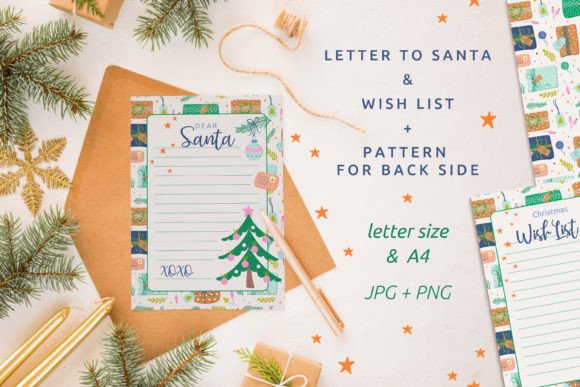
This is where I evaluated the Letter to Santa Christmas Wish List. As a professional reviewing this asset for potential client use, my goal isn't just to say if it looks pretty, but to determine if it holds up under the scrutiny of real-world application. When you are building a commercial design project, every pixel counts. This review breaks down how this piece performs as a graphic design asset, specifically looking at its utility for print-on-demand, Etsy products, and broader marketing visuals.
First Impressions and Visual Mood
The moment you open the file, the Letter to Santa Christmas Wish List immediately establishes a tone of whimsical nostalgia. It does not scream for attention with neon colors or aggressive modernism; instead, it whispers comfort. The style leans heavily into a hand-drawn aesthetic that feels approachable and human. In a sea of modern design trends that can sometimes feel sterile, this illustration brings back the feeling of sitting by a fireplace on a winter night.
For a designer, the first thing we notice is the integrity of the lines and the texture. Does it look like a vector created by a machine, or does it capture the imperfection of a real sketch? This asset manages to strike a balance. It retains enough structure to be scalable without losing the charm of a child's handwriting or a rustic pen stroke. It fits perfectly within the category of Illustrations that are designed to evoke emotion rather than just convey information. It creates a sense of trust and warmth, which is exactly what a small business branding effort needs during the holidays.
Real-World Application in Client Projects
Let's talk about how this asset translates to actual deliverables. Imagine this design bundle being used for a boutique's holiday packaging. If you place the Letter to Santa Christmas Wish List on a kraft paper tag tied around a candle jar, it instantly transforms a simple product into a thoughtful gift. The visual hierarchy here is excellent; the text acts as a focal point without overpowering the rest of the label design.
In the realm of digital assets, this illustration is incredibly versatile. For social media graphics, such as Instagram posts or Pinterest pins, it serves as a perfect hero image. You can pair it with a soft background color and a call-to-action button to drive traffic to a shop. Because it has a distinct personality, it stops the scroll better than a stock photo might. For web design, using this as a header element for a seasonal landing page adds character that standard sans-serif fonts often lack.
It also shines in physical production. If you are a crafter using a Cricut machine, this SVG design is ready for vinyl cutting. Whether you are making t-shirt design projects, creating custom stickers, or producing sublimation designs for mugs and tote bags, the clean edges ensure a crisp print. The product mockup potential is high; seeing this design on a mockup of a holiday card or a window decal helps clients visualize the final result before they commit to printing.
Where the Design Asset Works Best
To get the most out of the Letter to Santa Christmas Wish List, you need to know where it belongs. It excels in large layout areas where its details can breathe. It is ideal for editorial design in magazines or blogs where you want to add a decorative accent that sets a scene. In a marketing visuals campaign, it works beautifully as a thematic anchor, tying together various elements like email headers, flyer backgrounds, and ad creatives.
- Themed Collections: Use it to create a unified look across a line of holiday products.
- Decorative Accents: Frame your content with this illustration to add a border of interest.
- Printable Wall Art: Its composition makes it suitable for framing as a standalone piece.
- Campaign Visuals: Perfect for launching a limited-time holiday sale.
When to Use It Carefully
However, no single asset is a magic bullet. There are scenarios where the Letter to Santa Christmas Wish List might struggle. If you are working on a project that requires very clean visual hierarchy, such as a corporate annual report or a minimalist tech brochure, this illustration might feel too casual. It lacks the gravity required for professional corporate materials.
Be cautious when placing this asset on complex backgrounds. If the background is busy or cluttered, the intricate details of the illustration could get lost, leading to a muddy visual result. Similarly, if you scale it down too much for a tiny icon or a mobile notification badge, the fine lines may disappear, rendering the text unreadable. It is not suited for logo design if the logo needs to remain legible at extremely small sizes, such as on a favicon or a mobile app icon.
Technical Considerations for Professional Use
Before handing this asset off to a client, a seasoned designer runs through a strict checklist. First, test the PNG design version in black and white. Does the contrast hold up? Can you still distinguish the lettering against a dark backdrop? This step is crucial for ensuring accessibility and readability.
If the asset includes an SVG design, inspect the vector editability. Are the paths clean? Can you easily change the color to match a client's brand palette without breaking the shape? This flexibility is vital for Canva templates where users might want to customize the text or colors themselves. Always preview the design at both small and large sizes to ensure it remains sharp.
Another critical factor is the file format and licensing. Ensure you have the correct commercial license before using this for a client project. Many marketplaces offer different tiers of usage rights. Verify that you are allowed to use the asset in digital products that will be resold, such as printable planners or digital wall art. Also, check the transparency of the PNG layers. A good clipart should have a clean alpha channel so it integrates seamlessly into any background without unsightly white boxes.
Typography and Style Compatibility
One of the strengths of this illustration is how it interacts with other typefaces. The handwritten nature of the Letter to Santa Christmas Wish List pairs exceptionally well with serif fonts for body copy, creating a classic, storybook feel. However, if you are aiming for a more contemporary look, you might pair it with a clean sans-serif font to create a nice contrast between the organic illustration and the structured text. Avoid pairing it with another script font unless you are an expert at balancing weights, as this can lead to a chaotic visual hierarchy.
Final Verdict on Creative Potential
After reviewing the Letter to Santa Christmas Wish List through the lens of a professional designer, I find it to be a highly valuable addition to any creative toolkit. It bridges the gap between handmade business aesthetics and polished commercial design. It is not just a static image; it is a tool that can help tell a story, build emotional connections, and drive engagement for your audience.
Whether you are a content creator looking to spice up your blog, a digital seller expanding your creative marketplace offerings, or a small business owner trying to make your holiday marketing stand out, this asset delivers. It offers the right amount of charm without sacrificing professionalism. When used thoughtfully, respecting its limitations and leveraging its strengths, the Letter to Santa Christmas Wish List becomes more than just an illustration—it becomes a key component of a successful holiday strategy.